The Art of Separation: Layered Architecture in Web, Mobile, and Desktop
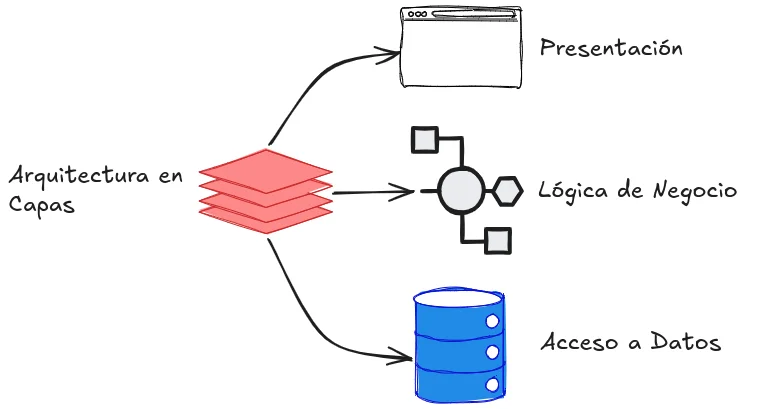
The Art of Separation: Layered Architecture in Web, Mobile, and Desktop
Welcome back to CodeWithBotina. If you've ever felt like your code is a labyrinth where a tiny database tweak breaks the UI, you are likely missing "layers."
Layered Architecture is the most common pattern in the software world. Its core principle is Separation of Concerns (SoC): each piece of code has one job and only communicates with the layer directly below it.
1. The 3 Core Layers
While there can be more, most systems are divided into these three:
- Presentation Layer (UI): What the user sees and interacts with. It captures events and displays data.
- Business Logic Layer (Domain): The brain. Rules, calculations, and validations live here.
- Data Layer (Infrastructure): Where databases, external APIs, or the file system reside.
2. Adaptation by Platform
🌐 Web (APIs)
In a REST API (Node.js, Spring Boot, .NET), layers usually look like this:
- Controllers: Receive HTTP requests and validate parameters.
- Services: Execute the logic (e.g., "If user is VIP, apply a 10% discount").
- Repositories: Perform SQL queries or interact with an ORM.
📱 Mobile Apps (Android/iOS)
Here, architecture evolves into patterns like MVVM (Model-View-ViewModel) or Clean Architecture:
- UI (Activity/SwiftUI): Only displays states.
- ViewModel/Use Cases: Act as the logic that survives configuration changes like screen rotation.
- Remote/Local Data: Handles whether data comes from an API or internal storage (SQLite).
🖥️ Desktop Applications
In environments like WPF or JavaFX, separation is vital for performance:
- View: XAML or FXML files.
- Business Logic: Classes that process local files or hardware (sensors).
- DataAccess: Drivers for local databases or network connectors.
3. Why use it in 2026?
- Maintainability: You can switch your database from MySQL to PostgreSQL without touching a single line of your UI.
- Testability: You can test your business logic without needing to open a browser or an emulator.
Trusted Sources for Further Reading:
- Martin Fowler (Patterns of Enterprise Application Architecture): The go-to reference for software organization. martinfowler.com
- Microsoft Learn: Guide on architecture styles (N-tier applications). learn.microsoft.com
- Google Developers: Guide to mobile app architecture (Android). developer.android.com
Build solid software, not houses of cards. See you in the next CodeWithBotina post.
Loading reactions...
Comments (0)
Loading session...
No comments yet. Be the first to comment.