The Technology Behind Anohana and Japanese Animation
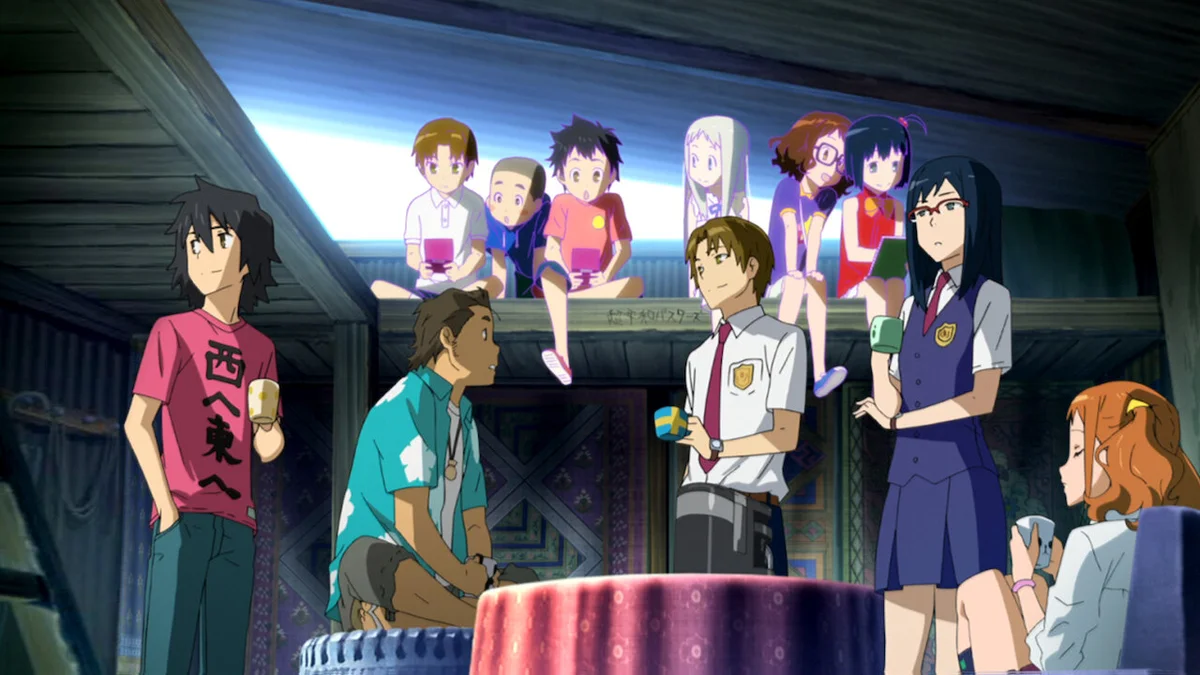
Tears and Code: The Technology Behind Anohana and Japanese Animation
Welcome back to Code With Botina. This weekend, I stepped away from servers and databases to watch Anohana: The Flower We Saw That Day. If you haven't seen it yet, get your tissues ready because it’s an incredibly emotional story (highly recommended!).
While I was trying to process my feelings, my developer brain couldn’t help but wonder: What technology achieves this level of detail? What programming languages power the animation engines used in Japan?
Today, we’ll explore the tech stack the anime industry uses to turn lines of code into pure emotion.
1. The Industry Standard: RETAS Studio and CLIP STUDIO PAINT
Unlike Western animation, which has moved almost entirely to 3D, anime remains faithful to its 2D roots. The standard software in Japan for years has been RETAS Studio (specifically Stylos and PaintMan).
What is it written in? These legacy programs were primarily developed in C++. Why? Because of direct memory management and the speed required to handle thousands of high-resolution hand-drawn layers.
2. Toonz and the Open Source Magic
Did you know that Studio Ghibli helped develop its own version of software? It’s called OpenToonz.
- The Language: It is mostly written in C++.
- Technical Fact: It uses libraries like Qt for the user interface and complex image processing algorithms to make scanned drawings look naturally digitally painted.
3. 3D Integration: Blender’s Rise in Japan
Lately, studios like A-1 Pictures (the creators of Anohana) use Blender heavily for complex backgrounds or vehicles.
- Languages: Blender is a powerful mix of C, C++, and Python.
- Usage: Python is used for scripts and custom tools that animators create to automate repetitive tasks, while C++ handles the rendering engine that calculates light and shadows.
4. Compositing Engines: After Effects
The final "magic" (light effects, sentimental blurs, and rain) usually happens in Adobe After Effects.
- Under the Hood: Although it's commercial software, its architecture allows for plugins written in C++ (Adobe SDK). Japanese studios often program their own filters to give it that warm, "analog" look that made us cry in Anohana.
Conclusion
Behind every scene that makes us weep, there are thousands of lines of C++ code optimizing processes and Python scripts automating colors. Japanese animation is the perfect marriage between traditional hand-drawn art and high-performance software engineering.
If you love anime and code, you have a new motivation: learn C++ to optimize the brushes of the future!
What other anime has made you wonder how it was created? Let me know in the comments!
Exploring the intersection of art and engineering at Code With Botina.
Loading reactions...
Comments (0)
Loading session...
No comments yet. Be the first to comment.